What is a Customs Code? A Complete Guide to the Importance of Using the Correct HS Code for Imports and Exports

What is a Customs Code? A Complete Guide to the Importance of Using the Correct HS Code for Imports and Exports


Meta Description
HS Code is a globally recognized customs classification system crucial for accurate declaration of import and export goods. Learn why using the correct HS Code is essential and how errors can lead to delays or fines in international trade.


Introduction

As global trade continues to diversify, the Harmonized System Code (HS Code) has emerged as a universal classification tool for customs procedures. It improves customs clearance efficiency, prevents trade disputes, and ensures compliance and safety. Understanding the correct use of HS Codes is critical for smooth international shipping, while errors can lead to serious consequences.


1.   What Is an HS Code?

An HS Code (Harmonized System Code) is an internationally standardized system for classifying traded products, developed by the World Customs Organization (WCO).

(1) The first six digits of the HS Code are standardized globally.

(2) Additional digits may be added by individual countries for more specific classifications:

  • S. and China : 10 digits
  • EU countries : 8 or 10 digits

The structure of an HS Code :

  • 1st–2nd digits (Chapter): Broad product category
  • 3rd–4th digits (Heading): More specific product type
  • 5th–6th digits (Subheading): Detailed classification
  • In Taiwan:
  • 7th–8th : Section
  • 9th–10th : Statistical code
  • 11th digit : Inspection code


Example :
HS Code for Acrylonitrile (AN) is 2926 1000 005

  • 29 : Organic chemical products
  • 26 : Cyanides
  • 10 : Specific subcategory


2.   Why Is It Important to Use the Correct HS Code?

(1) A Global Standard for Product Classification

The HS Code enables global consistency for identifying goods across borders, streamlining trade regulations, taxation, and logistics.


(2) Basis for Import/Export Duties

Different codes have different associated tariffs. Customs officers use the codes to determine the correct tariff rate to apply to imported goods. Using the correct HS Code ensures accurate tax calculation and eligibility for trade incentives or duty exemptions.


(3) Supports Customs Data Collection and Regulation

Governments rely on HS Codes to compile trade statistics, formulate economic policies and assess economic performance. They are also used to regulate sensitive, restricted, or hazardous goods in compliance with international and domestic laws.


Further Reading : What Are Dangerous Goods? A Quick Guide to Hazard Classification and Transport Regulations


(4) Increases Shipping Efficiency

Correct HS Codes minimize clearance delays by facilitating faster identification and declaration of goods. Businesses can enjoy smoother logistics and improved trade efficiency.


3.   What Happens If the Wrong HS Code Is Used?

(1) Delays or Rejection at Customs

Using an incorrect HS Code can result in delays during the customs clearance process. Customs officers may require amendments or corrections to the code, causing your goods to be held in customs-controlled areas and delaying their arrival at the designated destination. In the worst-case scenario, customs authorities may reject the clearance and deny release of the shipment entirely.


(2) Extra Duties or Penalties

Besides delays or denied release of shipment, mistakes may also incur additional taxes or fines, and may even lead to legal consequences. Thus, double-checking the code before customs declaration is essential.


(3) Added Scrutiny from Customs Authorities

Repeated misuse or suspected intentional evasion may land companies on a customs watchlist, increasing future inspection times and scrutiny. This will pose a problem for future business operations.


(4) Damage to Business Credit & Reputation

Frequent misuse of HS Codes can lead to miscalculated tax rates and potential tariff disputes, which in turn may lower a company’s credit rating. This increases the difficulty and cost of future business operations. Furthermore, customs clearance delays may lead to dissatisfaction among consignees, damaging the company’s reputation and eroding the trust in business partnerships.


Published Date : February 6, 2025
What Are Container Unloading and Stuffing Services? A Guide to the Logistics Process

What Are Container Unloading and Stuffing Services? A Guide to the Logistics Process


Meta Description
Container stuffing and unloading are critical steps in warehousing and logistics. These processes require coordinated efforts to ensure goods remain intact and quantities are accurate. This article breaks down each step of the unloading and stuffing services.


Introduction

Import container unloading and export container stuffing are essential operations within the logistics chain. Import unloading involves a series of well-coordinated tasks to safely and efficiently remove cargo from ocean containers under customs supervision. On the flip side, export stuffing demands precise time management and teamwork to ensure goods are loaded properly for timely shipping. Both processes involve cargo sorting, handling, and ocean transportation. Read on to understand the full workflow.


1.   Definitions of Unloading and Stuffing Services

(1) What is Import Container Unloading?

Import container unloading refers to the process where cargo is removed from an ocean container after arrival at the destination port. Under customs supervision, the container is opened at the port or container yard, and goods are sorted and unloaded.


(2) What is Export Container Stuffing?

Export container stuffing refers to the process of loading cargo into an ocean container at a port or yard regulated by customs. After sealing the container, it’s prepared for international shipment. This process involves loading, securing, and organizing cargo efficiently and safely.


2.   The Import Container Unloading Process: Precision and Coordination

(1) Vessel Arrival

Once the container vessel arrives at the destination port, terminal operators unload the containers and transfer them to the import storage zone.


(2) Transport to Warehouse and Unloading

The containers are then transported to the import unloading area, where customs-supervised operations begin. Forklift operators unload the goods from the container, verify the cargo against the manifest, and move the cargo to temporary storage. The consignee will later retrieve the cargo after completing customs clearance.

If any discrepancies or damage are found, the port or yard immediately informs the consignee or customs authorities.


(3) Cargo Pickup by Consignee

After customs clearance and payment of duties, the consignee can arrange a truck for cargo pickup.


3.   The Export Container Stuffing Process: Time-Sensitive and Collaborative

(1) Container Stuffing at Port or Yard

If the shipper cannot stuff the container themselves or lacks enough cargo to fill it, goods are sent to a customs-regulated port or yard where professional container stuffing services are provided.


(2) Export Customs Clearance and Release

The port or yard verifies whether the shipper has completed export declaration procedures. Only after customs clearance is approved will the container stuffing proceed.


(3) Stuffing According to Cargo Plan

Port staff stuff containers based on a stuffing plan provided by the shipping line, freight forwarder, or shipper. They prioritize loading heavy or large items first to optimize space usage and avoid exceeding weight limits or damaging other goods.


(4) Securing Cargo and Sealing the Container

Heavy or oversized goods are secured using wooden blocks or boards to prevent shifting or crushing other cargo. Once stuffing is complete and verified, the container is sealed using a seal provided by the shipping line.


(5) Transfer to Export Storage Area and Vessel Loading

The sealed container is moved to the export holding area, awaiting loading onto the vessel upon arrival.


Published Date : February 5, 2025

How to Understand the MSDS ( Material Safety Data Sheet ) and Key Details to Watch For

How to Understand the MSDS ( Material Safety Data Sheet ) and Key Details to Watch For


Meta Description
A Material Safety Data Sheet (MSDS), also known as a Safety Data Sheet (SDS), is essential for the safe handling, transport, and storage of chemicals. This article explains how to read an MSDS and highlights the most critical sections to ensure workplace and transport safety.


Introduction

This article helps you understand the MSDS based on the UN’s Globally Harmonized System of Classification and Labelling of Chemicals (GHS). You’ll learn what to look for in each section of the MSDS and which details are most important for safety and compliance in chemical transportation and storage.


1.   What Is an MSDS and What Is It For?

The Material Safety Data Sheet (MSDS) is a technical document that provides essential safety information about chemical products. It includes chemical names and ingredients, physical and chemical properties, usage guidelines, emergency response procedures, and hazard control measures.

An MSDS is typically intended for professionals such as factory operators, lab engineers, ISO tank drivers, marine chemical transport crew, healthcare workers, and firefighters—not general consumers. Chemical suppliers are legally obligated to provide the MSDS and ensure it is visibly accessible in the workplace or on transport containers such as ISO tanks or drums.


Further Reading : What Is an ISO Tank and What Is It Used For? A Complete Guide to ISO Tank Types, Sizes, Capacities, and Loading Ratios


(1) Communicate Potential Hazards

The MSDS helps users understand basic chemical properties and potential risks—e.g., flammability, toxicity, corrosiveness, carcinogenicity, and environmental hazards. Suppliers must include the corresponding GHS hazard pictograms.


(2) Usage Precautions and Emergency Measures

It outlines safe handling, transport, and storage instructions. It also details leak management, fire-fighting methods, and first aid procedures.


(3) IMDG Compliance

The International Maritime Dangerous Goods Code (IMDG Code) governs the international transport of hazardous chemicals by sea. According to this regulation, Section 14 of the MSDS must include detailed transport information if the chemical qualifies as a dangerous good. This includes :

  • UN Number (UN No.) : A four-digit identifier assigned by the United Nations to classify hazardous substances and articles.
  • Hazard Class (Class No.) : Indicates the primary danger of the substance (e.g., flammable liquids, toxic substances).
  • Marine Pollutant Status : Specifies whether the substance is classified as a marine pollutant (Yes/No).
  • Packing Group : Reflects the level of hazard (I = high, II = medium, III = low).

In addition to listing these items in the MSDS, the transport containers—such as ISO tank containers—must be clearly labeled with hazard warning placards (“hazmat labels”) that reflect the UN number and hazard class.


Example
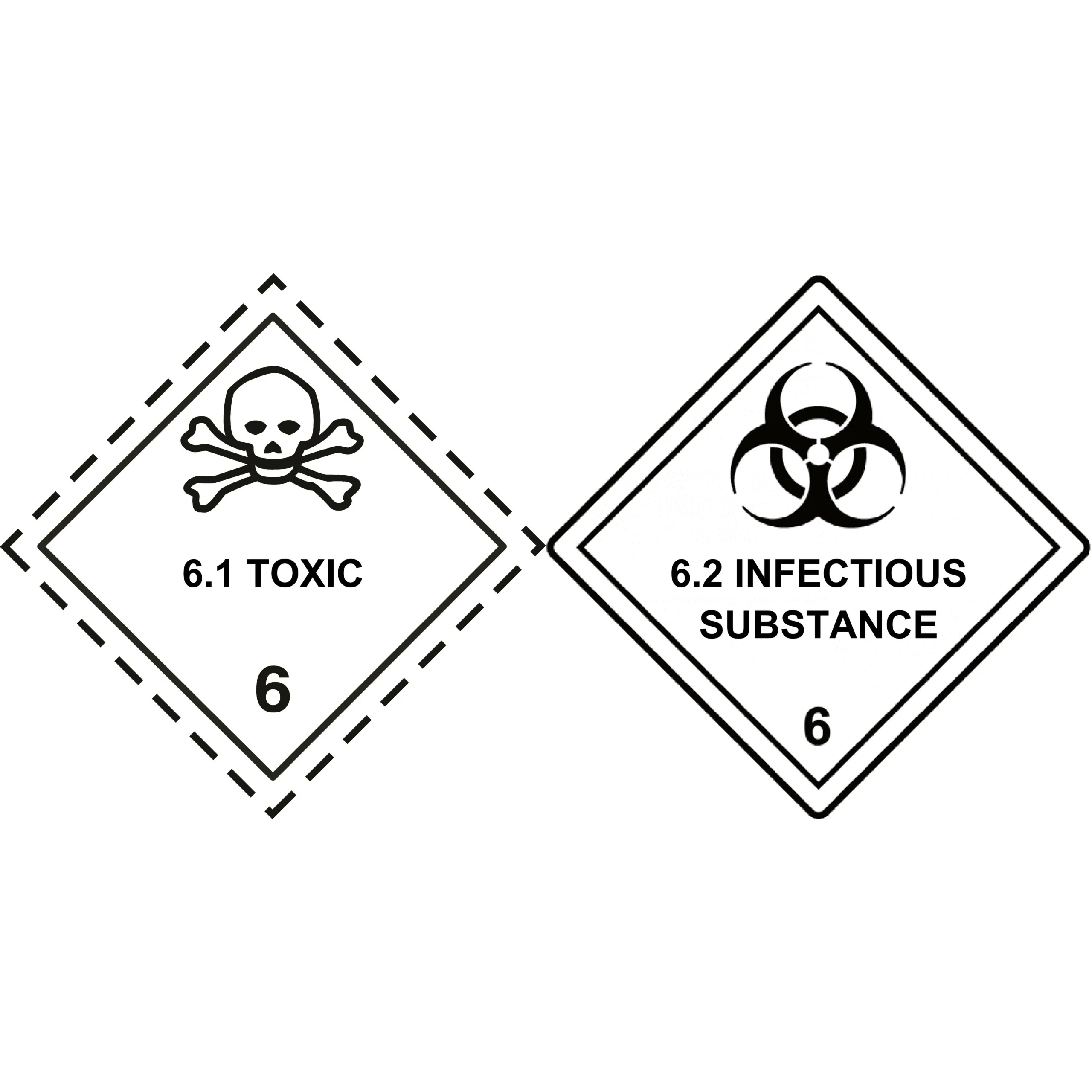
Acrylonitrile (UN No. 1093) is classified under Class 3 (flammable liquids) and Class 6.1 (toxic substances), and is a marine pollutant. Its ISO tank must carry Class 3 and 6.1 hazard labels and marine pollutant markings—three types of labels on four sides, totalling 12 hazard signs. These placards serve as visual alerts to all handling personnel, customs agents, port authorities, and emergency responders.


Further Reading : What Are Dangerous Goods? A Quick Guide to Hazard Classification and Transport Regulations


2.   What Sections Are Included in an MSDS?

(1) Identification

  • Product name and aliases
  • Recommended use and restrictions
  • Supplier/manufacturer name, address, phone/fax
  • Emergency contact info


(2) Hazard Identification

  • Hazard classification and label elements
  • GHS pictograms (e.g., skull, flame)
  • Warning level
  • Hazard statements and precautionary statements
  • Other risks (e.g., dust explosions, or other risks not specified with GHS pictograms)


(3) Composition/Ingredient Information

  • Chemical nature (pure/mixture)
  • Hazardous ingredients with names, CAS numbers, and concentration percentages


(4) First-Aid Measures

  • Response based on exposure route
  • The most severe symptoms and their effects
  • Protection for first responders
  • Advice for physicians


(5) Fire-Fighting Measures

  • Suitable and unsuitable extinguishing agents
  • Potential hazards during fire-fighting (e.g., toxic gases, risk of explosion)
  • Special fire-fighting procedures
  • Protective equipment for fire crews


(6) Accidental Release Measures

  • Personal precautions
  • Environmental precautions
  • Clean-up methods


(7) Handling and Storage

  • Handling guidelines
  • Storage conditions


(8) Exposure Controls and Personal Protection

  • Engineering controls (to minimize exposure)
  • Exposure limits (TWA – Time Weighted Average, STEL – Short Term Exposure Limit, Ceiling, BEIs – Biological Exposure Indices)
  • Personal Protective Equipment (PPE)
  1. Respiratory protection
  2. Hand protection
  3. Eye protection
  4. Skin and body protection
  5. Environmental exposure controls
  • Sanitary measures (e.g., wash hands after handling, avoid eating/drinking/smoking during use)


(9) Physical and Chemical Properties

  • Appearance (color and physical state)
  • Odor
  • Odor Threshold
  • PH Value
  • Melting Point
  • Boiling Point
  • Flash Point
  • Decomposition Temperature
  • Auto-ignition Temperature
  • Explosion Limits
  • Vapor Pressure
  • Vapor Density
  • Relative Density (Specific Gravity)
  • Solubility
  • N-Octanol/Water Partition Coefficient (Log Kow)
  • Evaporation Rate


(10) Stability and Reactivity

  • Chemical stability and reactivity
  • Incompatible materials
  • Potential danger under special circumstances
  • Hazardous decomposition products
  • Avoidance conditions (heat, impact, static, etc.)


(11) Toxicological Information

  • Exposure routes
  • Physical/chemical/toxicological symptoms
  • Acute and chronic toxicity data


(12) Ecological Information

  • Ecotoxicity
  • Persistence/degradability
  • Bioaccumulation
  • Soil mobility
  • PBT/vPvB assessments
  • Other adverse effects


(13) Disposal Considerations

  • Description and Classification of Waste
  • Safe Waste Handling Procedures
  • Waste Disposal Methods
  • Disposal of Contaminated Packaging


(14) Transport Information

  • UN number and proper shipping name
  • Transport hazard class and packaging group
  • Marine pollutant status
  • Special precautions


(15) Regulatory Information

  • Occupational safety and operational regulations
  • Applicable safety, health, and environmental regulations


(16) Other Information

  • References
  • Author, issue date, revision notes
  • Remarks


3.   Which MSDS Details Require Extra Attention?

(1) Some MSDS Data May Be Omitted

For confidentiality, manufacturers might only list approximate concentration ranges or omit sensitive production details. If in doubt, cross-reference with literature or external databases.


(2) Some Products Don’t Require an MSDS

Per Taiwan’s “Regulations for the Labeling and Hazard Communication of Hazardous Chemicals”, the following are exempt :

  • Fire extinguishers
  • Manufactured articles
  • Industrial waste
  • Tobacco and products
  • Intermediates in reaction vessels
  • Food, drinks, pharmaceuticals, cosmetics
  • Household goods for non-industrial use
  • Other government-exempt categories


(3) MSDS Must Be Regularly Updated

According to Article 15 of Taiwan’s “Regulations for the Labeling and Hazard Communication of Hazardous Chemicals”, chemical suppliers must review MSDS content every 3 years. Updates should reflect new experimental data, toxicity studies, or regulatory changes. The version date must be updated and shared with partners.

Also, make sure the MSDS complies with local/regional laws :

  • Taiwan : CNS15030 / Regulations for the Labeling and Hazard Communication of Hazardous Chemicals
  • China : GB 30000
  • USA : Hazard Communication Standard (HCS)
  • EU : REACH / CLP


Published Date : February 4, 2025

What Are Dangerous Goods? A Quick Guide to Hazard Classification and Transport Regulations

What Are Dangerous Goods? A Quick Guide to Hazard Classification and Transport Regulations


Meta Description
Transporting dangerous goods requires strict regulation and compliance to ensure safety and prevent environmental pollution. This article offers a comprehensive guide to the classification of hazardous materials and relevant transport regulations.


Introduction

Dangerous goods refer to items that, during transportation, may pose risks to human health, vessel safety, property, or the environment. Transporting such goods requires proper classification and packaging, strictly adhering to international standards such as those from the IMO and IMDG Code. Continue reading to learn more about the different types of hazardous materials and their transport rules.


1.   Understanding Hazardous Material Classification for Safer Transport

If you’re planning to ship goods, it’s essential to understand what qualifies as dangerous goods. They are divided into nine major classes. Proper classification ensures legal compliance and safety during transport. For efficient and secure delivery, always work with professional logistics providers who are diligent, dedicated, and experienced in handling hazardous materials.

Overview of Hazardous Material Classes :

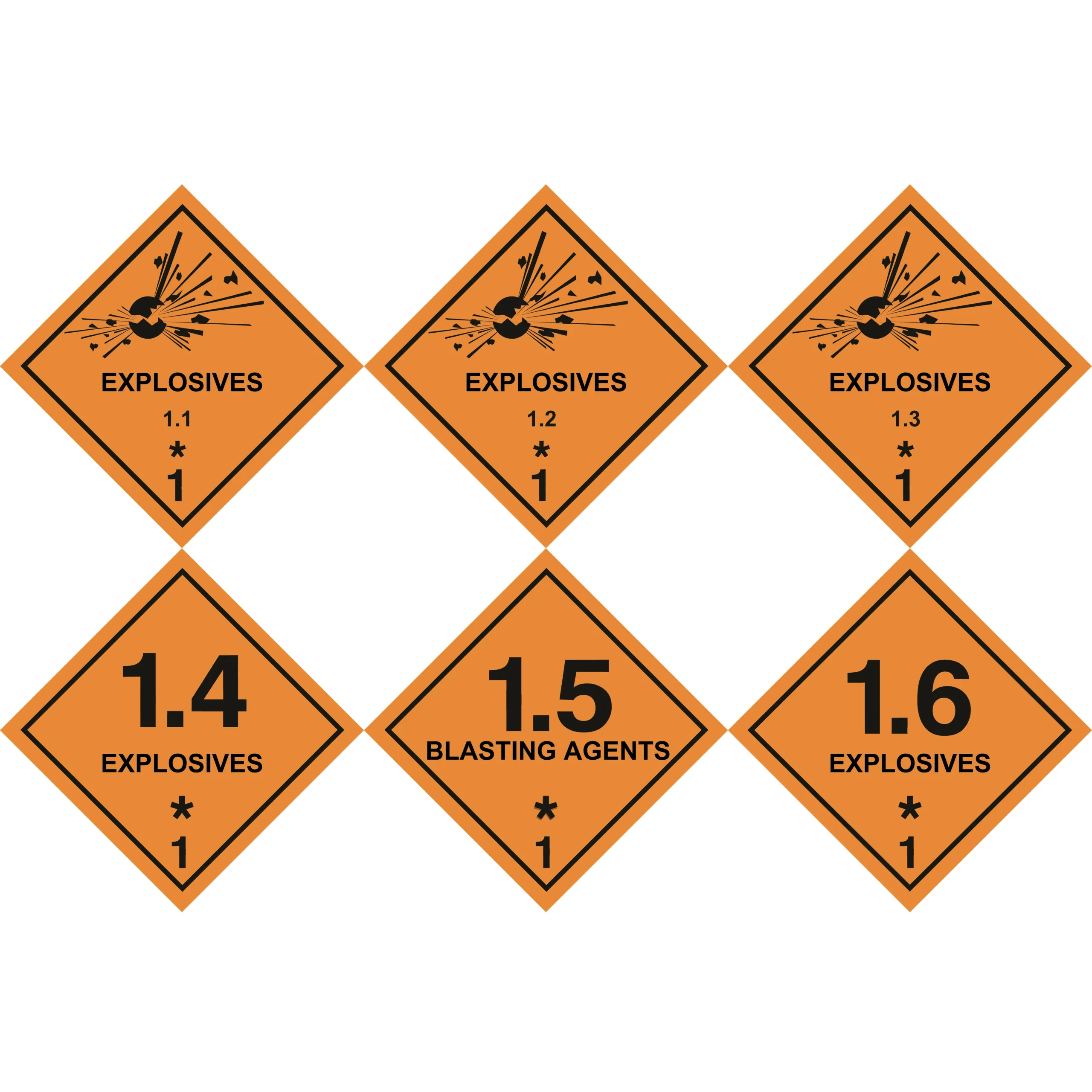
Class 1 : Explosives

1.1 Substances or items with a risk of mass explosion (i.e., an event that affects the entire load instantly upon initiation).

1.2 Items with a projection hazard but not a mass explosion hazard.

1.3 Items with fire hazards, minor explosion or projection hazards, or both, without mass explosion risks.

1.4 Substances with no significant hazard.

1.5 Very insensitive items with a mass explosion risk.

1.6 Extremely insensitive items with no mass explosion risk.

Hazardous_material_label_for_Class_1_explosives

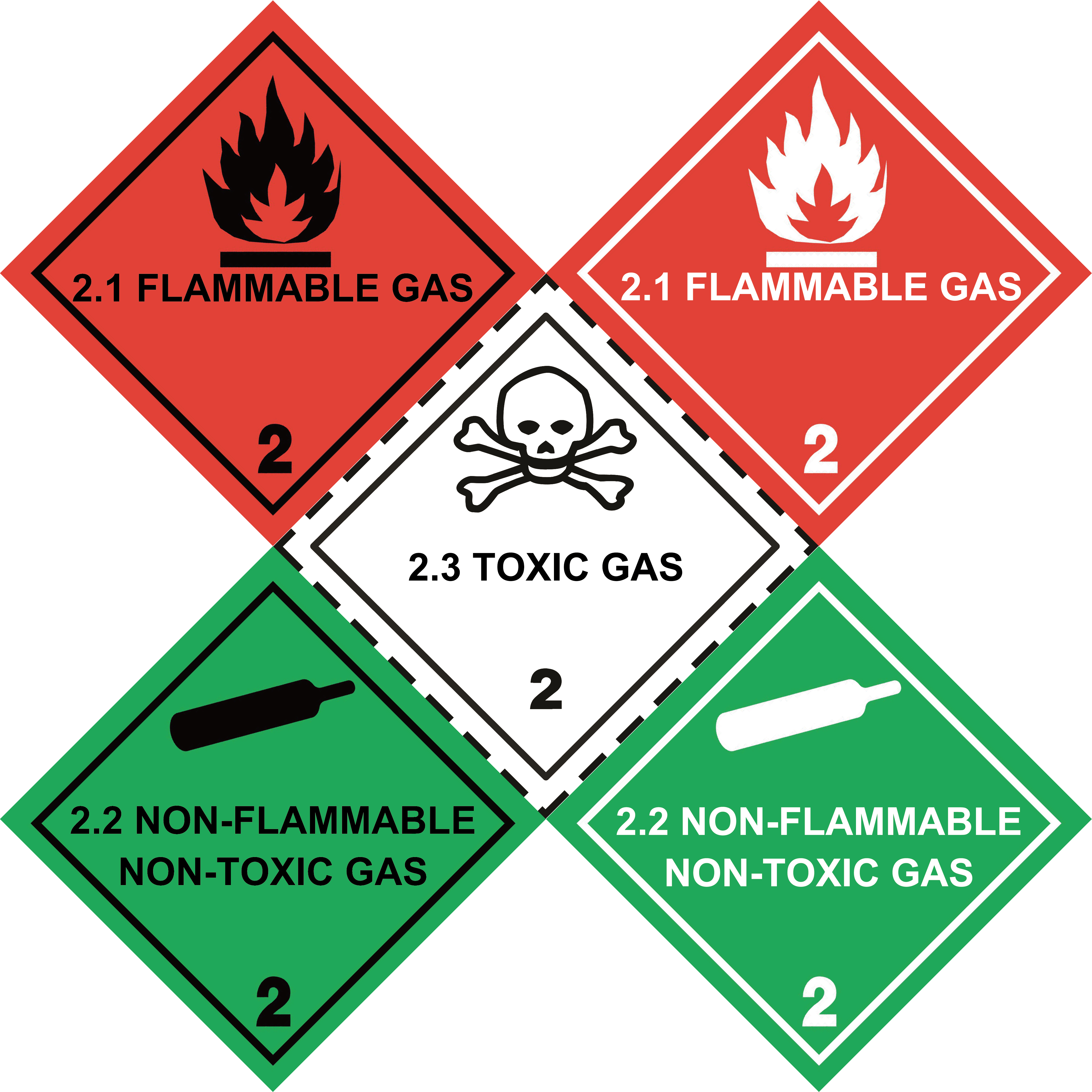
Class 2 : Gases

2.1 Flammable gases

2.2 Non-flammable, non-toxic gases

2.3 Toxic gases

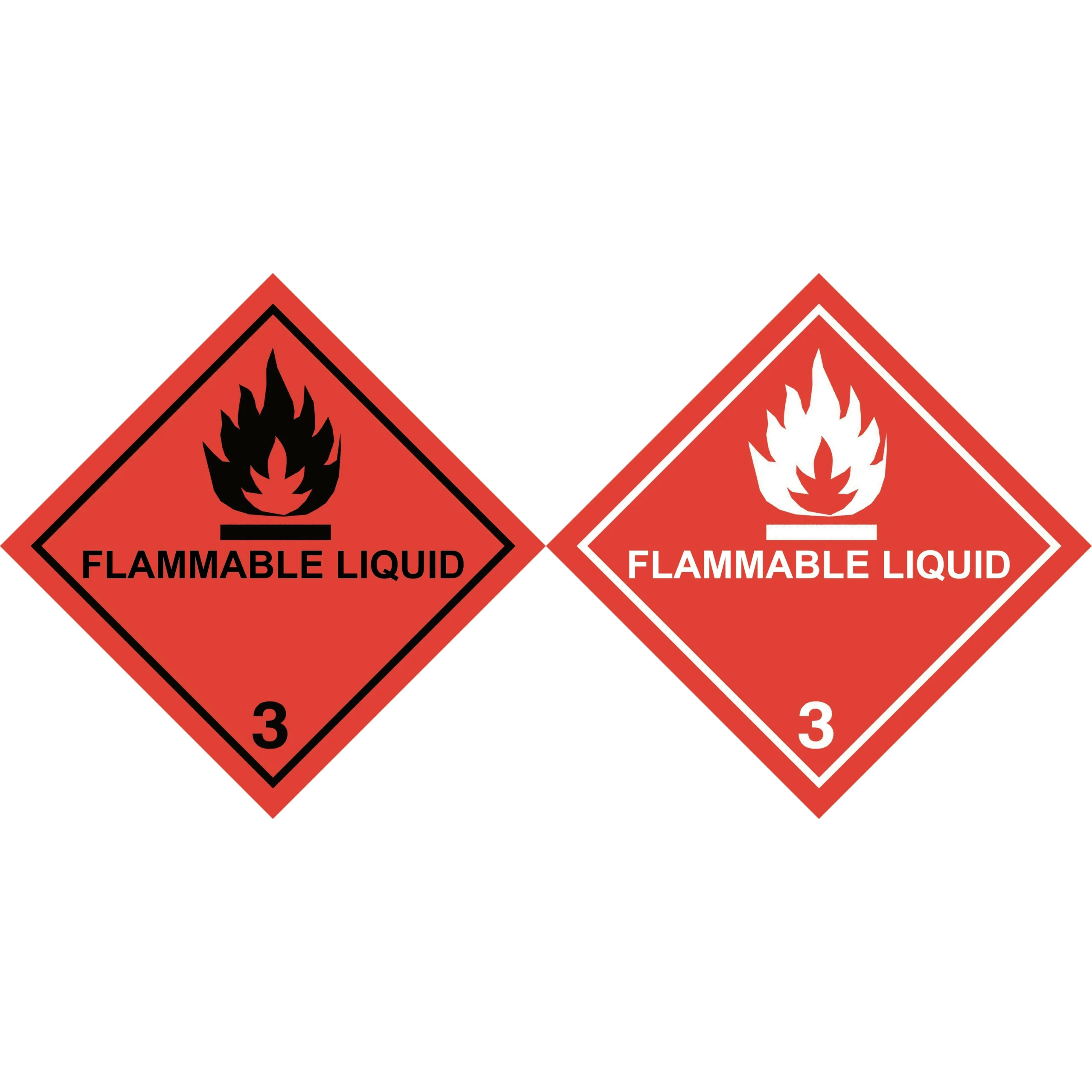
Class 3 : Flammable Liquids

Hazardous_material_label_for_Class_3_flammable_liquids

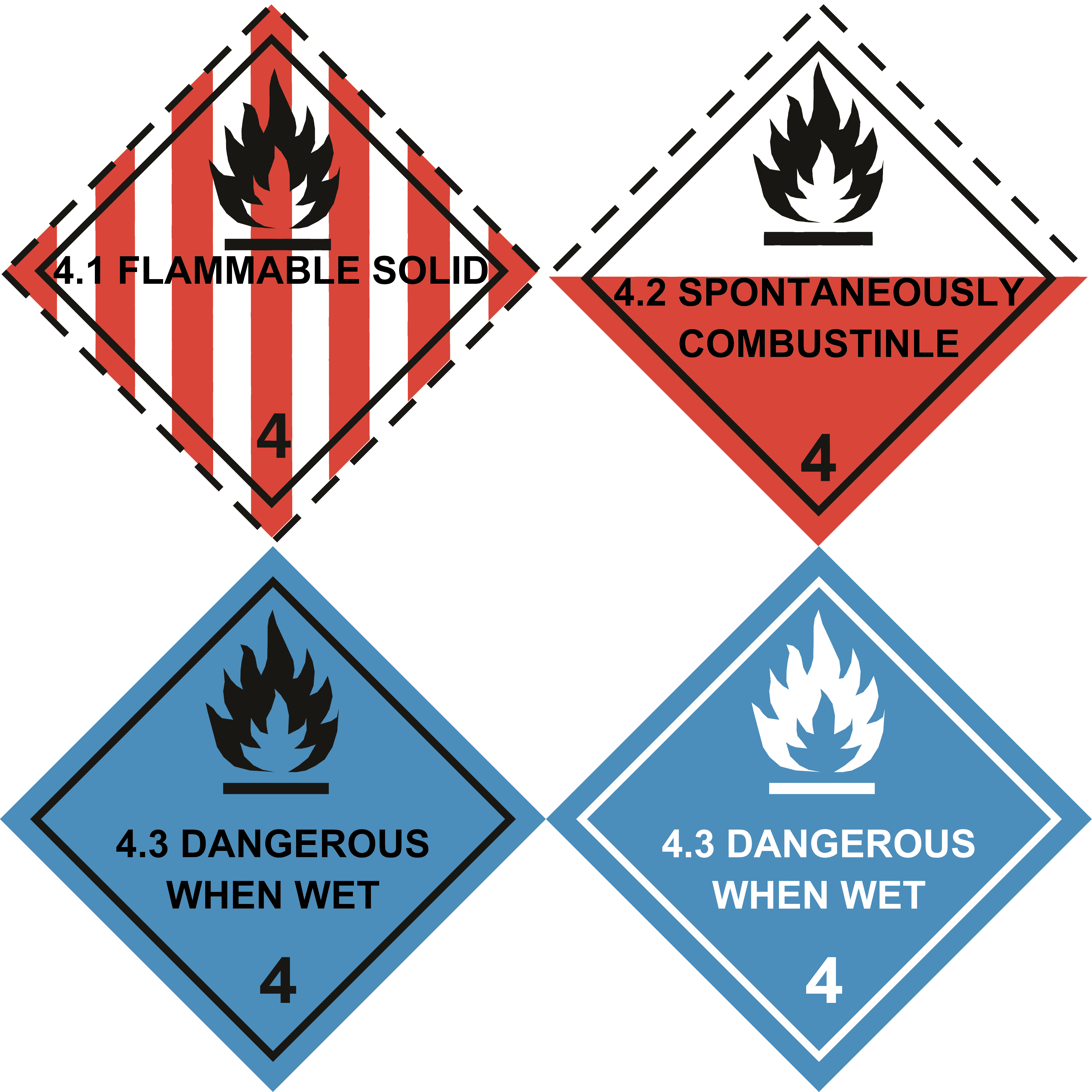
Class 4: Flammable Solids, Spontaneously Combustible, and Water-Reactive Substances

4.1 Flammable solids

4.2 Spontaneously combustible substances

4.3 Substances dangerous when wet

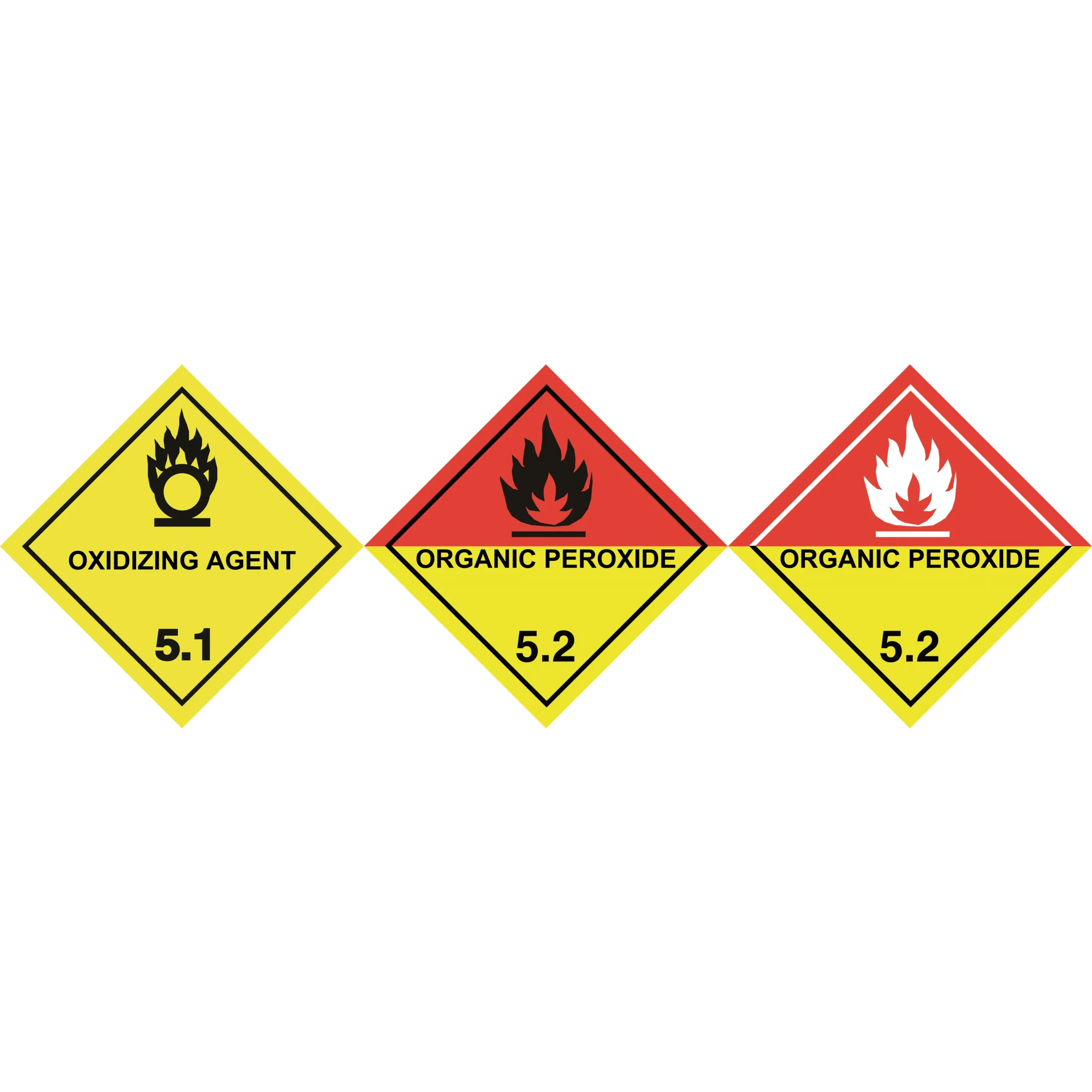
Class 5 : Oxidizing Substances and Organic Peroxides

5.1 Oxidizing substances

5.2 Organic peroxides

Labels_for_Class_4_Dangerous_Goods_5.1Oxidizing_Agent_5.2Organic_Peroxides

Class 6 : Toxic and Infectious Substances

6.1 Toxic substances

6.2 Infectious substances

Labels_for_Class_6_Dangerous_Goods_6.1Toxic_6.2Infectious_Substance 

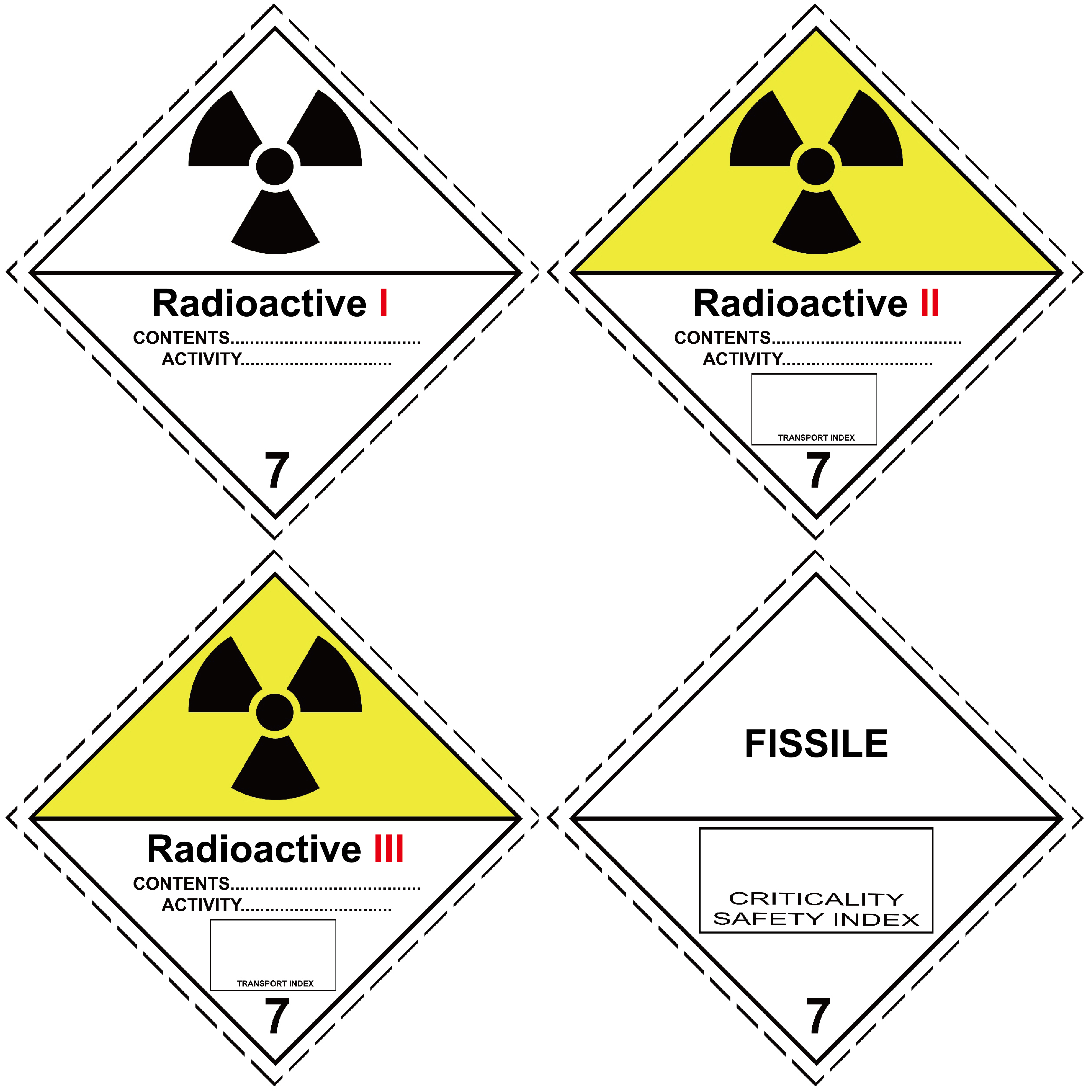
Class 7 : Radioactive Materials

Radioactive I

Radioactive II

Radioactive III

Fissile material

Class 8 : Corrosive Substances

The_hazardous_goods_label_for_Class_8_Corrosive

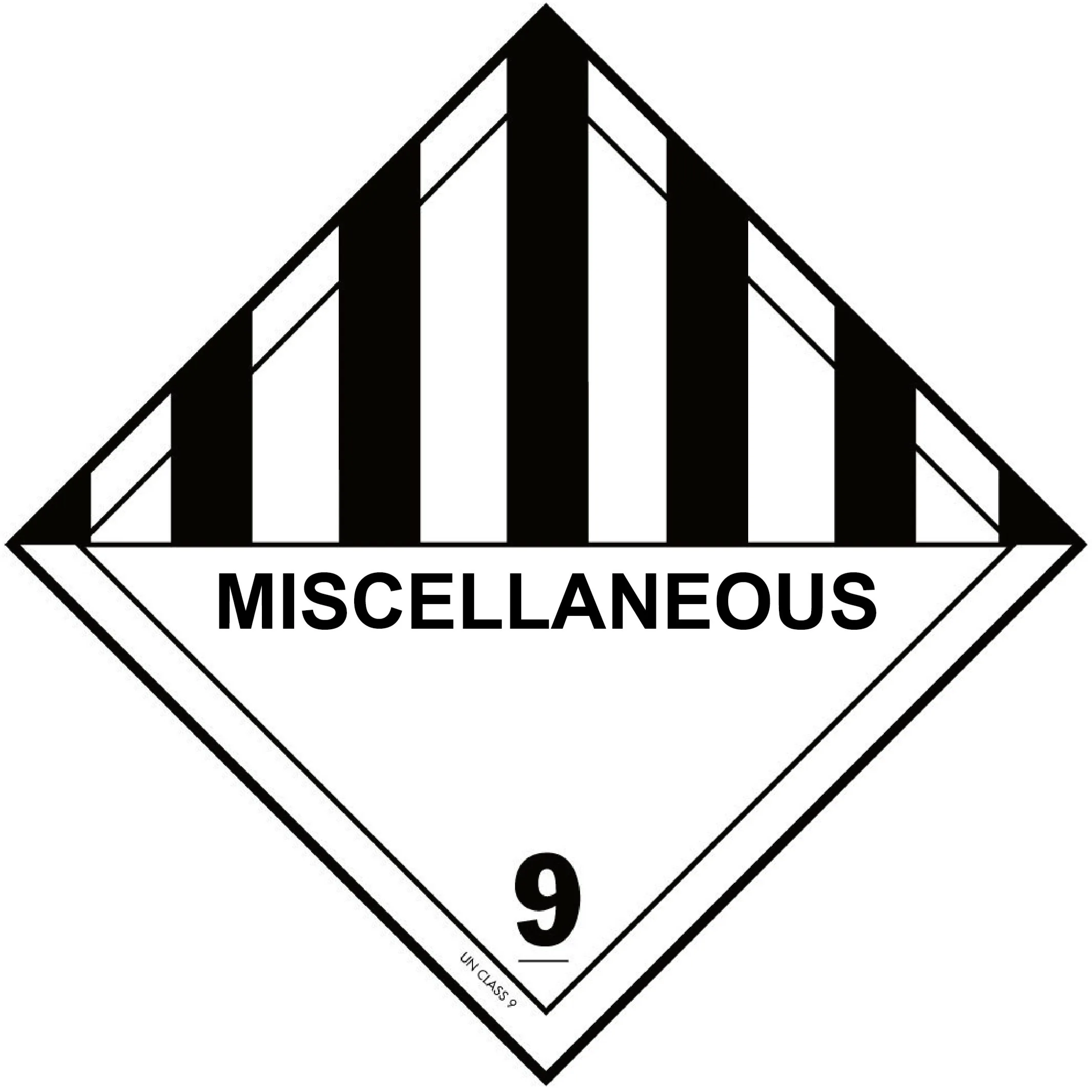
Class 9 : Miscellaneous Dangerous Goods

The_hazardous_goods_label_for_Class_9_Miscellaneous

Marine pollutants

The_hazardous_goods_label_for_Marine_Pollutant

2.   Key Regulations for Dangerous Goods Transportation

 (1) Proper Classification and Labelling of Dangerous Goods Are Essential

Before transportation, all dangerous goods must be correctly classified and packaged in compliance with the International Maritime Dangerous Goods (IMDG) Code. Packaging must bear clear dangerous goods labels, which identify the nature of the risk. These labels assist emergency responders in taking appropriate actions swiftly in case of accidents.


(2) Accurate Documentation Is Mandatory

The shipment must be accompanied by the proper documentation, including a Dangerous Goods Declaration and Material Safety Data Sheet (MSDS). These documents ensure safe handling throughout every step of the supply chain.


Further Reading : How to Understand the MSDS (Material Safety Data Sheet) and Key Details to Watch For


(3) Only Trained Personnel Should Handle Dangerous Goods

Personnel involved in the transportation of dangerous goods must be properly certified and trained. Additionally, the vessels and equipment used must meet specific safety standards, including structural design, maintenance, and operational protocols.


Published Date : February 3, 2025

error: Content is protected !!