When Should You Choose FCL( Full Container Load )Shipping? Understand the Advantages and Ideal Timing

When Should You Choose FCL(Full Container Load)Shipping? Understand the Advantages and Ideal Timing


Meta Description

Ocean freight typically offers two main options: FCL (Full Container Load) and LCL (Less than Container Load). Choosing between them depends on cargo volume and delivery requirements. This article helps you determine when FCL shipping is the better choice, highlighting its advantages and best use cases.


Introduction

FCL (Full Container Load) is a popular option in international shipping. With FCL, the shipper can track the shipment independently, ensuring the goods reach their destination securely and efficiently. It’s often compared with LCL (Less than Container Load), with the choice depending on cost-effectiveness and shipping needs. Read on to learn the key benefits of FCL shipping and how to decide the best time to use it.


1.   What Is FCL (Full Container Load) Shipping?

FCL refers to a shipping method where one shipper exclusively uses an entire container. That means all goods within the container belong to a single party. This method is especially suitable for large-volume shipments and helps reduce overall maritime transport costs.


2.   Advantages of FCL Shipping: Safe, Efficient, and Cost-Effective

(1) Lower Shipping Costs

Compared to LCL, FCL allows you to maximize container space. Since you’re paying for the full container, cost per unit is generally lower when shipping in large volumes.


(2) Reduced Risk of Damage or Loss

FCL shipments are not mixed with goods from other shippers. This reduces the risk of damage or loss that can occur during consolidation at origin or deconsolidation at the destination port—an issue common with LCL.


(3) More Efficient Shipping Process

FCL gives shippers greater flexibility in scheduling container loading and customs clearance. You can choose from different shipping lines and transit times to align with your logistics needs, allowing for faster and more reliable deliveries.


3.   When Is FCL the Right Choice? Key Scenarios for Selecting Full Container Load

(1) Large Shipment Volumes

The decision to use FCL or LCL depends on factors such as the quantity, size, and weight of your cargo. FCL involves renting the entire container exclusively, which means you pay a flat rate regardless of how full it is. On the other hand, LCL consolidates your cargo with others, and costs are calculated based on volume and weight.

At first glance, LCL may appear more economical since you pay only for the space you use. However, if your cargo is bulky or if the volume is close to filling an entire container, FCL often turns out to be the more cost-effective option. In such cases, choosing FCL helps reduce shipping costs while simplifying logistics management.


(2) Urgent Delivery Requirements

  1. If you’re looking to deliver cargo quickly without the high costs of air freight, FCL is a smart alternative. You can choose direct routes and shorter transit times, allowing better control over your delivery schedule.
  2. Once the container arrives at the destination port and clears customs, it can be released immediately. In contrast, LCL cargo must wait for container unloading, delaying delivery. FCL is ideal when time is of the essence.


(3) Transporting Special or Hazardous Cargo

FCL is better suited for dangerous goods or items requiring special handling. Since the container is dedicated to one shipper, it avoids cross-contamination and unwanted reactions. FCL also supports specific needs like temperature control and custom packaging.


Further Reading : What are Dangerous Goods? A Quick Guide to Hazard Classification and Transport Regulations


Published Date: January 16, 2025
How to Choose a Freight Forwarding Company?Complete Selection Guide + List of Services

How to Choose a Freight Forwarding Company ? Complete Selection Guide + List of Services


Meta Description

To ensure safe and efficient ocean freight shipping, and to avoid loss or damage of goods, it’s crucial to choose a professional and reliable freight forwarder. This article outlines key ocean freight services and offers a comprehensive guide to selecting the right freight forwarding partner.


Introduction

A professional and trustworthy freight forwarding company ensures your cargo is delivered safely, on time, and cost-effectively. With the right partner, you can meet a range of shipping needs while optimizing your logistics. But how do you find the right one? Read on for a step-by-step guide to evaluating freight forwarders and understanding the services they offer.


1.   How to Choose a Reliable Freight Forwarder: 6 Key Criteria

(1) Check Reviews and Company Reputation

Customer feedback and industry reputation are major indicators of a reliable freight forwarder. Choose a company with a solid track record and years of experience in the industry.

Key points to investigate:

  • How long has the company been established?
  • What do clients and industry peers say about them?


(2) Understand Their Core Shipping Routes

Experience in specific routes or destinations is crucial. A company with frequent shipments to your desired region will have the know-how to reduce errors and improve delivery accuracy.


(3) Evaluate Their Service Scope and Expertise

Make sure the company offers services that match your logistics needs, such as:

  • Import/export handling
  • Trucking
  • Customs clearance

Also check if they provide customized solutions for special cargo or cross-border shipments. Evaluate staff professionalism and regulatory knowledge to ensure they can resolve issues swiftly and accurately.


(4) Review Their Quotation Transparency

Compare quotes from multiple companies. Make sure all costs are clearly listed in the quotation. Avoid selecting the cheapest option blindly—quality service is essential for smooth shipping operations.


(5) Confirm Real-Time Cargo Tracking

Timely delivery and cargo safety are top priorities. Visit the company’s website to see if they offer real-time shipment tracking so you can monitor your cargo at any time.


(6) Inquire About Marine Cargo Insurance

While most freight forwarders don’t directly provide marine insurance, many partner with insurance providers. Ask whether they can assist in arranging insurance coverage or recommend trusted insurers to protect against loss or damage during transit.


2.   What Services Do Freight Forwarders Offer? Meeting All Your Shipping Needs

(1) Ocean Freight Import Services

Importing goods by sea involves shipping from overseas to your domestic location. Freight forwarders typically handle:

  1. Scheduling: Coordinating with exporters and securing the most suitable vessel departure dates.
  2. Cargo Tracking : Monitoring shipments and reporting departure status to the client.
  3. Arrival Notice : Issuing documentation before the shipment reaches the port.
  4. Customs Clearance : Handling import declarations.
  5. Inland Delivery : Transporting goods from port to final destination.
  6. Warehousing : Providing storage solutions as needed.


(2) Ocean Freight Export Services

Exporting goods by sea involves shipping from your local site to international destinations. Freight forwarders assist with:

  1. Cargo Confirmation : Verifying shipping date and quantity with the exporter.
  2. Space Booking : Reserving vessel space based on the shipping schedule.
  3. Shipping Order (S/O) : Providing documentation with details about customs clearance deadlines and locations.
  4. Inland Delivery : Arranging transport to the customs clearance location.
  5. Customs Declaration : Handling export clearance.
  6. Shipment Tracking : Monitoring transport progress and notifying clients of the vessel’s arrival date at the destination.


Further Reading : Why Work with a Freight Forwarder for Ocean Shipping Bookings? Can’t I Just Book Directly with a Shipping Line?


Published Date : January 15, 2025

Differences Between Virgin and Recycled Methyl Methacrylate ( MMA ): Recovery Process, Reuse Applications, Environmental and Economic Benefits, Challenges and Future Outlook

Meta Description
Methyl methacrylate (MMA) is a widely transported chemical. Understanding the differences between virgin and recycled MMA is essential for safe transportation. This article explores the recovery process, reuse potential, environmental and economic benefits, and future challenges of recycled MMA.


Introduction

Methyl methacrylate (MMA) is renowned for its outstanding chemical properties and broad applications in acrylic products, optical films, adhesives, and more. With growing environmental awareness and limited resources, recycled MMA (r-MMA) has become a crucial trend in modern manufacturing. This article explores the differences between recycled and virgin MMA, detailing the recycling process, environmental benefits, and economic value.


1.   Virgin MMA vs. Recycled MMA (r-MMA)

Virgin Methyl Methacrylate (MMA)
MMA is a clear, colorless, and highly volatile synthetic chemical derived from petroleum or natural gas. It’s used in manufacturing acrylic sheets, tissue preservatives, adhesives, latex paints, and more, thanks to its excellent transparency, weather resistance, and durability.


Further Reading : What Is Methyl Methacrylate (MMA)? Hazard Classification, Uses, Risks, and Storage Guidelines

r-MMA is typically extracted from waste poly(methyl methacrylate) (PMMA), also known as “acrylic.”
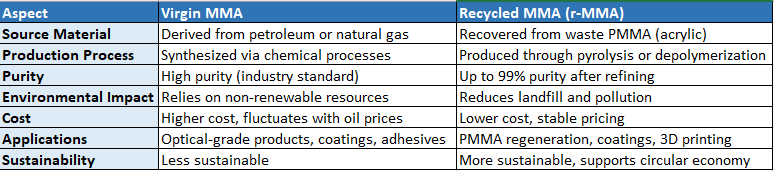
Key differences between the two include source material, purity, and cost-effectiveness, with recycled MMA offering a more sustainable option for many applications.

R - MMA & MMA 比較表 - 英


2.   r-MMA Recycling Process

(1) Waste Collection and Pre-treatment

  • Collect waste acrylic (PMMA) materials, including discarded acrylic sheets, transparent plastic boards, optical components, automotive light covers, etc.
  • Crush into smaller particles or fragments, then clean to remove impurities (oil stains, dust, etc.).
  • Analyze feedstock to determine suitable processing method (thermal or chemical cracking).


(2) Decomposition Methods

  • Pyrolysis: PMMA is decomposed into MMA monomer in an oxygen-free, high-temperature environment, followed by condensation and separation to obtain pure MMA.
  • Depolymerization: Using catalysts, PMMA is chemically broken back down into MMA monomers.


(3) Purification and Refinement

  • Process Optimization: Advanced catalysts and distillation techniques remove water and by-products. Current technologies can achieve up to 99% purity, sufficient for most applications.
  • Additives: Improve impact resistance and durability using rubber modifiers or antioxidants.
  • Blending: Mix with virgin MMA or high-performance resins to enhance performance.
  • Deodorization and Color Removal: Chemical treatments eliminate odor and color impurities to improve clarity and appearance.


3.   Reuse Applications of r-MMA

  • High-End Uses (Optical & Electronic Materials): Highly purified r-MMA can be used to produce optical-grade PMMA for lenses and display panels.
  • General PMMA Production: r-MMA can be repolymerized into PMMA used in construction, signage, automotive parts, etc., with comparable transparency and mechanical properties to virgin PMMA.
  • Coatings: r-MMA can be used as raw material for acrylic coatings, such as building and floor paints. However, virgin MMA is more suitable for high-performance adhesives and coatings.
  • 3D Printing: With proper treatment, r-MMA can be used as a base material for transparent or high-strength 3D-printed components.


4.   Environmental and Economic Benefits of r-MMA

  • Circular Economy: Promotes resource recycling, reduces reliance on petrochemical materials, and drives innovation across industries.
  • Environmental Benefits: Since MMA is a plastic that does not decompose naturally, recycling reduces landfill and incineration, thereby minimizing environmental pollution.
  • Cost Efficiency: Recycled MMA significantly reduces raw material costs and dependence on virgin MMA. Especially when petrochemical prices are volatile, r-MMA provides a stable and economical alternative. Additionally, many governments offer tax credits and subsidies for using recycled materials and reducing carbon emissions, further enhancing its economic appeal.


5.   Challenges and Future Outlook for r-MMA

The recycling of MMA still faces technical limitations, especially in depolymerization processes that require specific conditions. Purity and consistency of r-MMA are affected by the quality of the waste materials. Improving efficiency and quality control is a key challenge.

However, with stricter environmental regulations and increasing demand for sustainable products, r-MMA holds tremendous potential. Future developments may include energy-efficient systems, automation, and closed-loop production models, driving even greater economic and environmental value for the industry.


Published Date : January 14, 2025

What is Caprolactam ( CPL )? Hazard Classification, Uses, Risks, and Storage Guidelines

What is Caprolactam ( CPL )? Hazard Classification, Uses, Risks, and Storage Guidelines


Meta Description
Caprolactam is a common chemical in logistics and transport. Understanding its properties is essential for safe handling. This article explores CPL’s primary uses, risks, and storage precautions to ensure safety during shipment and storage.


Introduction

Caprolactam (CPL) is widely used across various industries, including as an intermediate for organic synthesis, polymer manufacturing, synthetic fibers, paint solvents, and synthetic amino acids. As a highly flammable chemical, improper storage or transportation may lead to serious damage or personal injury. In this article, you’ll learn the key uses, hazards, and proper storage methods of CPL.


1.   What is Caprolactam? Hazard Classification and Primary Applications

Caprolactam (CPL), HS Code: 2933 7100 002, has the chemical formula (CH₂)₅C(O)NH.
It is classified by the UN under Hazard Class 6.1 (Toxic Substances), UN No. 2811.

危險品圖標_第三類_UN-No.-2811-ECH-1-2.png

Physical Properties :

  • Boiling point: 268°C
  • Melting point: 69.2°C
  • Density: 1.05 g/cm³ (water = 1)
  • Solubility: Miscible with water
  • Volatility: Low vapor pressure, not easily volatile

Chemical Properties:

  • Chemically stable at room temperature
  • May react explosively with acetic acid and nitrogen trioxide
  • Reacts and decomposes with acidic substances

CPL is a cyclic amide (lactam) derivative. It is synthesized through the following reaction:
Cyclohexanone + Hydroxylamine Sulfate → Cyclohexanone Oxime (dehydrated with sulfuric acid) → Caprolactam

CPL can also be polymerized or derivatized for various purposes:

(1) Polymer Monomer

Caprolactam is the monomer for Nylon 6, the first fully synthetic fiber. Nylon 6 is used in plastics, textiles, parachutes, military ropes, cable ties, plastic films, bristle tapes, and more.


(2) Stable Solvent

CPL is a temperature-stable compound, used in the production of paint solvents, coatings, urea-based structural enhancers, plasticizers, and other organic solvent products.


(3) Derivatives

Caprolactam contains a peptide bond (-CO-NH-) and can be used to synthesize artificial amino acids and proteins. It also reacts with other amino acid compounds like diaminohexanoic acid.


2.   Understanding the Hazards of Caprolactam

Caprolactam may ignite or explode upon contact with reactive substances, releasing toxic fumes and gases. It is harmful to human health and can irritate the eyes, skin, and respiratory system. Immediate medical attention is necessary in case of exposure.


Health Hazards :

  • Inhalation: May cause allergic respiratory reactions, pulmonary edema, vomiting, nausea, coughing, CNS depression, and lung damage
  • Eye Contact: May result in conjunctivitis or even blindness
  • Skin Contact: Can cause burns, redness, blisters, and allergic dermatitis
  • Ingestion: May burn the esophagus and be fatal


3.   How to Store Caprolactam Properly: Precautions and Guidelines

(1) Store in Cool, Well-Ventilated Areas

Keep CPL in a shaded, well-ventilated environment. Use opaque, airtight containers to prevent sunlight and air exposure, which may cause degradation. Separate it from strong oxidizers, strong acids (sulfuric, hydrochloric, nitric), acetic acid, and nitrogen trioxide to prevent exothermic or explosive reactions.


(2) Seal Packaging Securely

Without inhibitors, CPL may polymerize upon contact with air or light, leading to pressure build-up and potential container rupture. Given its toxicity, packaging must be sealed, and inhibitors are typically added to maintain stability.


(3) Use Proper Hazard Labels

CPL containers must bear hazardous materials labels to inform personnel of chemical properties and safety handling instructions. These labels help guide emergency response in case of incidents during transit.


Further Reading : What Are Dangerous Goods? A Quick Guide to Hazard Classification and Transport Regulations


(4) Equip Workers with PPE

Personnel handling CPL should wear gloves, protective clothing, safety goggles, and respirators. Professional training is essential for safe handling.


(5) Avoid Spark-Generating Tools

CPL is highly reactive to flame, heat, static, light, and strong oxidizers. Using metal tools may create sparks, risking fire or explosion. Use plastic tools and ensure the environment is fire-safe.


(6) Install Emergency Equipment

Emergency handling equipment should be installed in CPL storage areas to ensure rapid response in case of accidents. MSDS documents must be accessible and placed in clearly visible locations.


Further Reading : How to Understand the MSDS (Material Safety Data Sheet) and Key Details to Watch For


Published Date : January 13, 2025

What is Epichlorohydrin ( ECH )? Hazard Classification, Uses, Risks, and Storage Guidelines

What is Epichlorohydrin ( ECH )? Hazard Classification, Uses, Risks, and Storage Guidelines


Meta Description
As one of the most common chemicals in transportation, epichlorohydrin requires careful understanding to ensure safe handling. This article explains its main uses, potential hazards, and key storage precautions to enhance transport safety.


Introduction

Epichlorohydrin (ECH) is widely used in the production of resins, glycerin, organic synthesis materials, and solvents. It’s an essential industrial chemical but is also highly flammable. Improper storage or transport may lead to serious harm or financial loss. This article will walk you through ECH’s key applications, hazards, and safe storage practices.


1.   What Is Epichlorohydrin? Hazard Classification & Key Applications

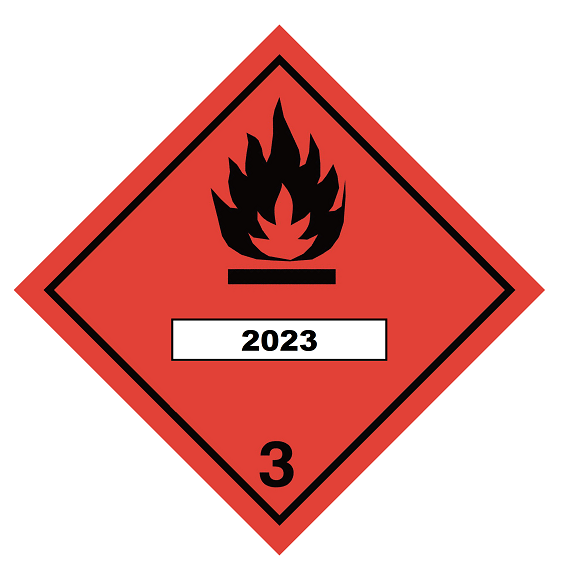
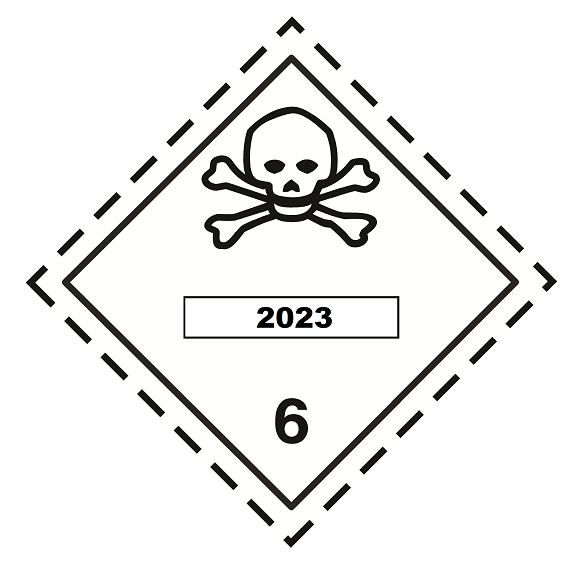
Epichlorohydrin (ECH)

危險品圖標_第三類_UN-No.-2023-AN-1-1.png

危險品圖標_第三類_UN-No.-2023-ECH-1-2.png

Physical Properties :

  • Boiling point : 115°C
  • Melting point : -48°C
  • Density : 1.18 g/cm³ (at 20°C)
  • Solubility : Reacts exothermically with water
  • Volatility : Low vapor pressure, not easily volatile

Chemical Properties :
ECH can undergo exothermic reactions when heated or when in contact with oxidizing agents, peroxides, or water—posing a risk of explosion.
It reacts with strong acids, strong bases, metals like zinc, aluminum, and iron, chlorinated compounds, amines, anilines, alkoxides, and halogens.
Explosive reactions may occur when exposed to isopropylamine, trichloroethylene, or potassium methallylate.

Categories :

ECH belongs to epoxides, organochlorines, and cyclic ethers.

Synthesis Routes :

  1. Allyl chloride + Hypochlorous acid → Dichloropropanol isomers + NaOH → ECH + NaCl + H₂O
  2. Propylene + Chlorine → ECH

Main Applications :

(1) Polymer Monomer
ECH reacts with bisphenol A to produce Bisphenol A diglycidyl ether, a precursor to epoxy resins. These resins are used in coatings, adhesives, composite materials, industrial molds, crosslinking agents, pigments, sponges, and ion-exchange resins.


(2) Organic Solvent
ECH is miscible with many polar organic solvents and can dissolve fats and some fibers, making it useful as a solvent, adhesive, textile softener, or surfactant.


(3) Derivatives
ECH decomposes in water with an exothermic reaction to produce glycerol—a key intermediate in industrial synthesis. Glycerol can be used to make explosives like nitroglycerin or react with fatty acids to form triglycerides, which are then saponified into soap using bases like sodium hydroxide.


2.   Hazards of ECH

ECH is highly reactive and may catch fire or explode when exposed to incompatible substances, releasing toxic fumes and gases. It is harmful to human health, causing irritation to eyes, skin, and respiratory tract. Seek medical attention immediately upon exposure.

Health Hazards :

  • Inhalation: Headache, difficulty breathing, CNS depression, reproductive harm, possibly fatal.
  • Eyes: Severe irritation
  • Skin: Discoloration, blistering, ulceration
  • Ingestion: Nausea, vomiting, coughing


3.   How to Store ECH Safely: Best Practices

(1) Store in Cool, Well-Ventilated Areas
Epichlorohydrin (ECH) should be stored in a cool, well-ventilated area. Containers must be tightly sealed and made of opaque materials to prevent exposure to sunlight. Direct sunlight or contact with air may lead to the formation of explosive chlorinated organic compounds.


ECH is highly reactive and must be kept away from the following materials to prevent combustion, heat-releasing reactions, or explosions:

  • Strong acids : e.g., sulfuric acid, hydrochloric acid, nitric acid
  • Strong bases : e.g., sodium hydroxide, potassium hydroxide, alcoholates
  • Oxidizing agents and peroxides
  • Metals : e.g., zinc, aluminum, iron and their respective chlorides
  • Halogens : e.g., chlorine, bromine, iodine
  • Water
  • Amines and aniline compounds : e.g., isopropylamine
  • Halogenated olefins : e.g., trichloroethylene
  • Alkoxides and alcoholates : such as potassium methallylate, potassium methoxide, sodium methoxide, lithium methoxide, titanium butoxide, sodium butoxide, titanium isopropoxide, aluminum isopropoxide


These materials may trigger dangerous reactions when in contact with ECH. For example:

  • ECH reacts violently with water and isopropylamine, releasing intense heat and splashing liquids.
  • ECH and trichloroethylene can react to produce explosive dichloroacetylene.
  • ECH and potassium methallylate may ignite spontaneously.

To prevent accidents, ECH should be stored separately from all the substances listed above. Proper isolation is critical to minimizing safety risks.


(2) Ensure Airtight Packaging
Epichlorohydrin (ECH) must be stored in tightly sealed containers. In the absence of stabilizers or inhibitors, ECH is prone to polymerization when exposed to air or light, which can lead to a rapid increase in internal pressure and may even cause the container to rupture or explode.

In addition to its high flammability, ECH is classified as a toxic and carcinogenic chemical. Any leakage can pose serious health risks to workers and the surrounding environment. Therefore, it’s essential that ECH is stored in a sealed container.


(3) Use Proper Hazard Labeling
Containers must carry appropriate hazard labels to inform handlers of potential dangers and emergency procedures. Labels help responders act quickly in the event of an incident during transport.


Further Reading : What Are Dangerous Goods? A Quick Guide to Hazard Classification and Transport Regulations


(4) Personnel Must Use Protective Gear
Due to its carcinogenicity and toxicity, handlers should wear gloves, protective clothing, goggles, gas masks, and SCBA (self-contained breathing apparatus), and receive professional training.


(5) Avoid Spark-Generating Tools
ECH is highly flammable and can release chlorine gas when reacting with fire, heat, static electricity, light, or steam. Use non-metal, spark-proof tools (e.g., plastic tools) in storage, handling, and transport.


(6) Equip Storage Areas with Emergency Equipment
Install emergency response equipment in areas where ECH is stored. Ensure MSDS and emergency tools are clearly marked and easily accessible.


Further Reading : How to Understand the MSDS (Material Safety Data Sheet) and Key Details to Watch For


Published Date : January 10, 2025

What is Diethylene Glycol ( DEG )? Hazard Classification, Uses, Risks, and Storage Guidelines

What is Diethylene Glycol ( DEG )? Hazard Classification, Uses, Risks, and Storage Guidelines


Meta Description
Diethylene glycol (DEG) is a commonly transported industrial chemical. Learn about its main uses, potential hazards, and proper storage guidelines to ensure safe handling and shipping.


Introduction

Diethylene glycol (DEG) plays a key role in various industries, including antifreeze, adhesives, solvents, fiber softeners, gas dehydrators, brake fluids, plasticizers, raw materials for plastics, and printing inks. As a vital chemical intermediate, DEG is widely used in chemical processing. However, it is both flammable and toxic. Improper storage or transport can lead to serious safety risks. This article will help you understand the primary applications and hazards of DEG, along with practical storage precautions.


1.   What is Diethylene Glycol (DEG)? Classification and Uses

Diethylene glycol (DEG), chemical formula: (C₂H₄OH)₂O, HS Code: 2909 4100 009, is also known as diglycol.

  • IMDG Classification : Not listed as a regulated dangerous good
  • UN Number : None
  • Danger Class : None

Physical Properties :

  • Appearance: Colorless hygroscopic liquid
  • Boiling Point: 224°C
  • Melting Point: -6°C
  • Density: 1.118 g/cm³ (at 25°C, water = 1)
  • Solubility: Fully miscible with water, alcohols, ethers, acetone, and other organic solvents
  • Volatility: Low vapor pressure, not easily volatile

Chemical Properties :

  • DEG is chemically stable but reacts violently with strong acids, bases, and oxidizing agents, posing an explosion risk.
  • It can corrode aluminum materials.
  • As a glycol ether, DEG exhibits both viscosity and hygroscopicity.

Synthesis: DEG is derived from ethylene glycol and ethylene oxide.
Chemical Reaction : Ethylene glycol + Ethylene oxide → DEG

DEG is also used to manufacture various derivatives and polymers. Key applications include:


(1) Explosives

Diethylene Glycol Dinitrate (DEGDN) : Created by reacting DEG with nitric acid and sulfuric acid, replacing hydroxyl groups (-OH) with nitro groups (-NO₂). It is used as a substitute for nitroglycerin in rocket propellants and explosives.


(2) Antifreeze

DEG’s water solutions have lower freezing points and higher boiling points than pure water. Its high specific heat allows it to absorb or release large amounts of heat with minimal temperature fluctuation. Therefore, DEG is ideal as an antifreeze to prevent freezing and crystal formation that can damage tanks and pipes. It also protects against metal corrosion in cooling systems.


(3) Industrial Solvent & Chemical Intermediate

DEG is an excellent organic solvent that dissolves grease, nitrocellulose, dyes, resins, and plastics. It also absorbs moisture effectively, making it useful in inks, adhesives, dehumidifiers, and gas dehydrators. Additionally, it serves as an intermediate for synthesizing 1,4-dioxane, morpholine, deodorants, cosmetics, foaming agents, dyes, preservatives, and fumigants.


2.   Understanding the Hazards of DEG

Although DEG is not classified as a dangerous good under IMDG, it still poses serious health and safety risks if mishandled:

  • Inhalation: Can cause headaches, dizziness, throat irritation, and even shock
  • Eye Contact: May lead to irritation, inflammation, and potential blindness
  • Ingestion: Can cause unconsciousness, vomiting, shock, dizziness, respiratory and cardiovascular failure, and is potentially fatal
  • Skin Contact: Can cause irritation

If exposed to DEG, seek immediate medical attention.


3.   Proper Storage Guidelines for DEG

(1) Store in a Cool, Well-Ventilated Area

Keep DEG containers sealed in a shaded, ventilated space away from direct sunlight. Use opaque, airtight containers to avoid degradation due to light or air exposure. DEG should not be stored near incompatible substances like oxidizers (e.g., perchlorates, nitrates, chromic acid), peroxides, strong acids (e.g., sulfuric acid, fuming sulfuric acid, hydrochloric acid, nitric acid, chlorosulfonic acid), strong bases (e.g., sodium hydroxide, potassium hydroxide), aluminum, or phosphorus sulfide. These combinations can cause combustion, heat generation, or explosions.


(2) Ensure Airtight Packaging

Exposure to air, light, or heat can cause DEG to degrade and release toxic substances. Containers should be securely sealed to prevent reactions and accidents.


(3) Label Containers Clearly

Clearly label all DEG containers with chemical identifiers and handling precautions. Proper labeling helps workers and transporters understand how to safely manage the chemical. In the event of an incident, responders can use this information to take appropriate emergency action.


Further Reading : What Are Dangerous Goods? A Quick Guide to Hazard Classification and Transport Regulations


(4) Use Personal Protective Equipment (PPE)

Because DEG is hazardous upon contact or inhalation, workers must wear gloves, protective clothing, goggles, and gas masks. Proper training is essential.


(5) Avoid Spark-Producing Tools

DEG is flammable and may explode when exposed to open flames, high heat, static electricity, or strong light. Use plastic tools instead of metal ones to prevent sparks. Ensure the area is free of ignition sources during handling or transport.


(6) Install Emergency Equipment

Storage areas should be equipped with emergency response equipment in case of spills or exposure. Safety data sheets (MSDS) and emergency kits must be placed in visible, easily accessible locations.


Further Reading : How to Understand the MSDS (Material Safety Data Sheet) and Key Details to Watch For


Published Date : January 9, 2025

What is 1,4-Butanediol ( BDO )? Hazard Classification, Uses, Risks, and Storage Guidelines

What is 1,4-Butanediol ( BDO )? Hazard Classification, Uses, Risks, and Storage Guidelines


Meta Description
As a common chemical in logistics and transport, understanding the properties of 1,4-butanediol (BDO) is crucial to ensuring safe handling. This article introduces BDO’s main uses, potential hazards, and key storage tips to ensure safety during transport and storage.


Introduction

1,4-Butanediol is widely used in a range of industries including fiber production, plastics, solvents, chemical raw materials, extraction agents, insulators, decolorizing agents, and fixatives. As a vital chemical raw material, it plays a key role in modern industry. However, BDO is a flammable chemical that can pose risks if improperly stored or transported. This article explains BDO’s primary applications and hazards and outlines best practices for its storage.


1.   What is 1,4-Butanediol? Is It a Hazardous Material? What Are Its Main Uses?

1,4-Butanediol (BDO)
Chemical formula : HOCH2CH2CH2CH2OH
HS Code : 2905.3911.102
Hazard Classification : Not regulated under IMDG ; no UN number assigned.

Physical Properties :

  • Appearance: Colorless liquid
  • Boiling Point: 228°C
  • Melting Point: 20.1°C
  • Density: 1.012 g/cm³ (at 25°C)
  • Solubility: Fully miscible in water and many organic solvents
  • Volatility: Low vapor pressure; not easily volatile

Chemical Properties :

BDO is chemically stable, but exposure to light or air can lead to the formation of peroxides, posing explosion risks. As a weak Lewis base, BDO reacts with acidic substances. BDO has two hydroxyl groups, classifying it as a diol (a type of polyol with two alcohol groups).

Synthesis :

  • Acetylene + Formaldehyde → Butyne diol → BDO (via hydrogenation)
  • Natural gas → Formaldehyde → Succinic dialdehyde → BDO

Major Applications :

(1) Polymer Monomer
BDO is a monomer in the production of Polybutylene Terephthalate (PBT), a thermoplastic used in electronics for its insulating and heat-resistant properties (up to 150°C or 200°C when reinforced with glass fiber). It also reacts with urethanes to form polyurethane (PU) resins for use as crosslinkers and catalysts.


(2) Synthesis of Tetrahydrofuran (THF)
BDO reacts with phosphoric acid under high temperatures to form THF, a key material used in semiconductors, organometallic compounds, crosslinking agents, polymers, and coordination compounds.


Further Reading : What is Tetrahydrofuran (THF)? Hazard Classification, Uses, Risks, and Storage Guidelines


(3) Derivatives
Through dehydrogenation, BDO can be converted into gamma-butyrolactone (GBL), used in fragrances and as a cyanoacrylate remover. It can further react with methylamine or ammonia to produce N-Methylpyrrolidone (NMP), 2-pyrrolidone, and polyvinylpyrrolidone (PVP)—used as surfactants, plastic solvents, desulfurization agents, alkene/alkyne extraction agents, and IV drug vehicles.


2.   Understanding the Hazards of BDO

BDO is flammable and may ignite or explode when reacting with incompatible substances. It emits harmful fumes and vapors during combustion. BDO is toxic and irritates the eyes, skin, and respiratory system. Immediate medical attention is necessary upon exposure.

Specific Health Hazards :

  • Inhalation: Can cause respiratory irritation, rapid breathing, and lung damage
  • Eye Contact: May cause mild irritation
  • Ingestion: Can damage the liver, kidneys, and nervous system


3.   How to Store BDO Safely? Key Storage Guidelines

(1) Store in a Cool, Ventilated Area
Keep BDO in a sealed, opaque container away from direct sunlight. Avoid storing it near oxidizers, peroxides, nitrates, or perchlorates as these can react to form THF and increase fire risk.


(2) Use Sealed Packaging
Without stabilizers, BDO can polymerize upon exposure to light or air, increasing internal pressure and potentially causing container rupture. Proper sealing is essential to prevent vapor leakage and ensure safety.


(3) Chemical Labeling is Mandatory
Containers must be clearly labeled to communicate BDO’s properties and handling instructions. In case of emergency, responders can refer to the label for proper measures.


Further Reading : What Are Dangerous Goods? A Quick Guide to Hazard Classification and Transport Regulations


(4) Personal Protective Equipment (PPE)
Operators should wear gloves, protective clothing, safety goggles, and gas masks, and must be professionally trained to handle BDO safely.


(5) No Spark-Generating Tools
BDO is highly flammable and can explode upon contact with open flames, heat, static electricity, or light. Use non-metallic, spark-free tools—plastic tools are preferred.


(6) Emergency Equipment Readiness
BDO storage areas must be equipped with emergency response gear and the Material Safety Data Sheet (MSDS) should be clearly displayed and accessible.


Further Reading : How to Understand the MSDS (Material Safety Data Sheet) and Key Details to Watch For


Published Date : January 8, 2025

What is Tetrahydrofuran ( THF )? Hazard Classification, Uses, Risks, and Storage Guidelines

What is Tetrahydrofuran ( THF )? Hazard Classification, Uses, Risks, and Storage Guidelines


Meta Description
Tetrahydrofuran (THF) is a commonly transported chemical. Understanding its properties is key to ensuring safety during transit. Learn about THF’s main uses, potential hazards, and safe storage practices.


Introduction

Tetrahydrofuran (THF) plays a vital role across various industries including semiconductors, coatings, adhesives, polymers, catalysts, printing inks, and magnetic tapes. As an important chemical raw material, THF is highly flammable. Improper storage or transportation could result in significant safety hazards or property damage. This article will help you understand the main applications and dangers of THF, along with correct storage practices to ensure safety.


1.   What is Tetrahydrofuran (THF)? Classification and Primary Applications

Chemical Name : Tetrahydrofuran (THF)
HS Code : 2932 1100 006
Chemical Formula : (CH₂)₄O
UN Classification : Class 3 Flammable Liquid
UN Number : 2056

Physical Properties :

  • Boiling Point: 66°C
  • Melting Point: -108.5°C
  • Density: 0.889 g/cm³ (20°C)
  • Solubility: Fully miscible with water and many organic solvents
  • Volatility: High vapor pressure, evaporates easily

Chemical Properties :

  • THF is generally chemically stable but can form explosive peroxides upon exposure to light or air.
  • It acts as a weak Lewis base and can react with acids.
  • Its cyclic structure allows it to undergo ring-opening reactions in the presence of acid or base catalysts, forming derivatives like 1,4-butanediol.

THF is a hydrogenated derivative of furan, classified as a heterocyclic ether and a saturated oxygen-containing compound. Synthesis methods include:

  1. Natural gas → Formaldehyde → Succinic Dialdehyde → 1,4-Butanediol → THF
  2. Pentose → Furan → THF (via hydrogenation)
  3. Allyl alcohol → Butanediol → THF

Major Uses :

(1) Polymer Monomer

THF can be polymerized into Polytetramethylene Ether Glycol (PTMEG), a white, waxy solid. When reacted with isocyanates, it forms polyurethanes and spandex—used in elastomers, foaming agents, crosslinking agents, plastics, and sponges.

(2) Stable Solvent

THF has a relatively high boiling point and excellent solubility. It mixes with water in any proportion and is more chemically stable than diethyl ether, making it easier to control in temperature-sensitive reactions. It is widely used as a stabilizing solvent in the synthesis and storage of organometallic compounds, such as dimethylmercury, diethylmercury, ethylmagnesium bromide, trimethylaluminum, triethylaluminum, and triethylgallium. These highly reactive compounds are essential for producing thin film materials in the semiconductor industry. In addition, THF can dissolve plastics and latex, and is frequently used in laboratory settings, industrial processes, and polymer material applications to fine-tune conductivity and maintain solution stability.

(3) Derivatives

Tetrahydrofuran (THF) can be further processed into a variety of derivatives with wide-ranging applications:

  • Borane–THF Complex :
    This is a commonly used reducing agent, capable of converting amino acids into amino alcohols. It also serves as an intermediate in the synthesis of other borane-based compounds. Due to its high flammability and extreme sensitivity to water, air, and light, it must be stored in sealed, opaque containers filled with inert gas. This complex is typically synthesized by the direct reaction of THF with diborane, or by reacting iodine and sodium borohydride in THF.
  • Methyl Tetrahydrofuran (Methyl-THF) :
    A methylated derivative of THF that is insoluble in water and has a higher boiling point than THF. It is an ideal alternative solvent in high-temperature reactions and industrial processes, offering improved performance and stability under thermal conditions.
  • Tetrahydrofurfuryl Alcohol (THFA) :
    A hydroxymethylated derivative of THF, used as a solvent for resins and oils, as well as a decolorizing and deodorizing agent in pharmaceutical applications. It also serves as an intermediate in the production of herbicides and insecticides.
  • THF Coordination Compounds :
    THF reacts with metals or metal halide salts to form coordination compounds that release significant heat during synthesis. These reactions are safer when carried out in aliphatic solvents like n-hexane or dichloromethane. These compounds are widely used in post-processing for metal-organic framework (MOF) materials. Common examples include:
  1. TiCl₄(THF)₂
  2. MgCl₂(THF)₂
  3. [Ti(MgCl)₂(THF)]₂
  4. Ti₂(OOCH)₄MgCl₃(THF)₂
  5. TiCl₃(THF)₃
  6. [TiCl₂(THF)₄][SnCl₅(THF)]


2.   Understanding the Risks of THF

THF can catch fire or explode when it reacts with certain materials, emitting hazardous fumes. It poses health risks such as :

  • Inhalation: Causes headache, irritation in the nasal and throat passages, central nervous system depression, lowered blood pressure, and potential shock.
  • Eye Contact: Can lead to corneal opacity, swelling, redness, and in severe cases, blindness.

Immediate medical attention is required in case of exposure.


3.   How to Store THF Safely: Key Guidelines

(1) Cool, Well-Ventilated Storage Area

Store THF in sealed, opaque containers in a cool, ventilated space. Avoid exposure to light and air to prevent the formation of explosive peroxides. Keep THF away from oxidizers, peroxides, halogens (especially bromine), alkali metals, and their hydroxides to avoid combustion, heat generation, or explosions.


(2) Sealed Packaging

Without inhibitors, THF can polymerize upon exposure to air and light, leading to pressure buildup and possible explosion. Since it’s highly volatile and harmful when inhaled, THF should always be sealed and ideally contain stabilizers.


(3) Hazard Labeling

Containers should display appropriate hazard labels to inform workers of the risks and safety measures required. In case of emergencies during transport, labels help guide proper response procedures.


Further Reading : What Are Dangerous Goods? A Quick Guide to Hazard Classification and Transport Regulations


(4) Personal Protective Equipment (PPE)

Workers handling THF must wear gloves, protective clothing, goggles, and respirators. Proper training is mandatory.


(5) Use Non-Sparking Tools

THF is extremely flammable and reactive to open flames, high temperatures, static electricity, and light. Only non-sparking tools—preferably plastic—should be used; metal tools are prohibited. Ensure the environment is free of ignition sources.


(6) Emergency Equipment

Emergency response equipment must be available near storage areas. MSDS documents should be prominently posted for quick access during incidents.


Further Reading : How to Understand the MSDS (Material Safety Data Sheet) and Key Details to Watch For


Published Date : January 7, 2025

What is Acrylonitrile ( AN )? Hazard Classification, Uses, Risks, and Storage Guidelines

What is Acrylonitrile ( AN )? Hazard Classification, Uses, Risks, and Storage Guidelines


Meta Description
Acrylonitrile is a common substance in chemical transportation. Understanding its properties is essential for safe handling. This article covers the main applications, hazards, and storage precautions for acrylonitrile to ensure safe transportation and storage.

Introduction

Acrylonitrile is widely used in materials, carbon fiber, resin production, wastewater treatment, semiconductors, textiles, and other industries. As an important chemical raw material, it is flammable and toxic. Improper handling or transport can lead to significant safety risks. This article outlines the main uses and hazards of AN (acrylonitrile), along with proper storage practices to help you manage this substance safely.


1.   What is Acrylonitrile? Hazard Classification and Main Applications

Acrylonitrile (AN) is an organic nitrile derived from propylene.

  • HS Code: 2926 1000 005
  • Chemical formula : C₃H₃N, Molecular structure : CH₂=CH-C≡N
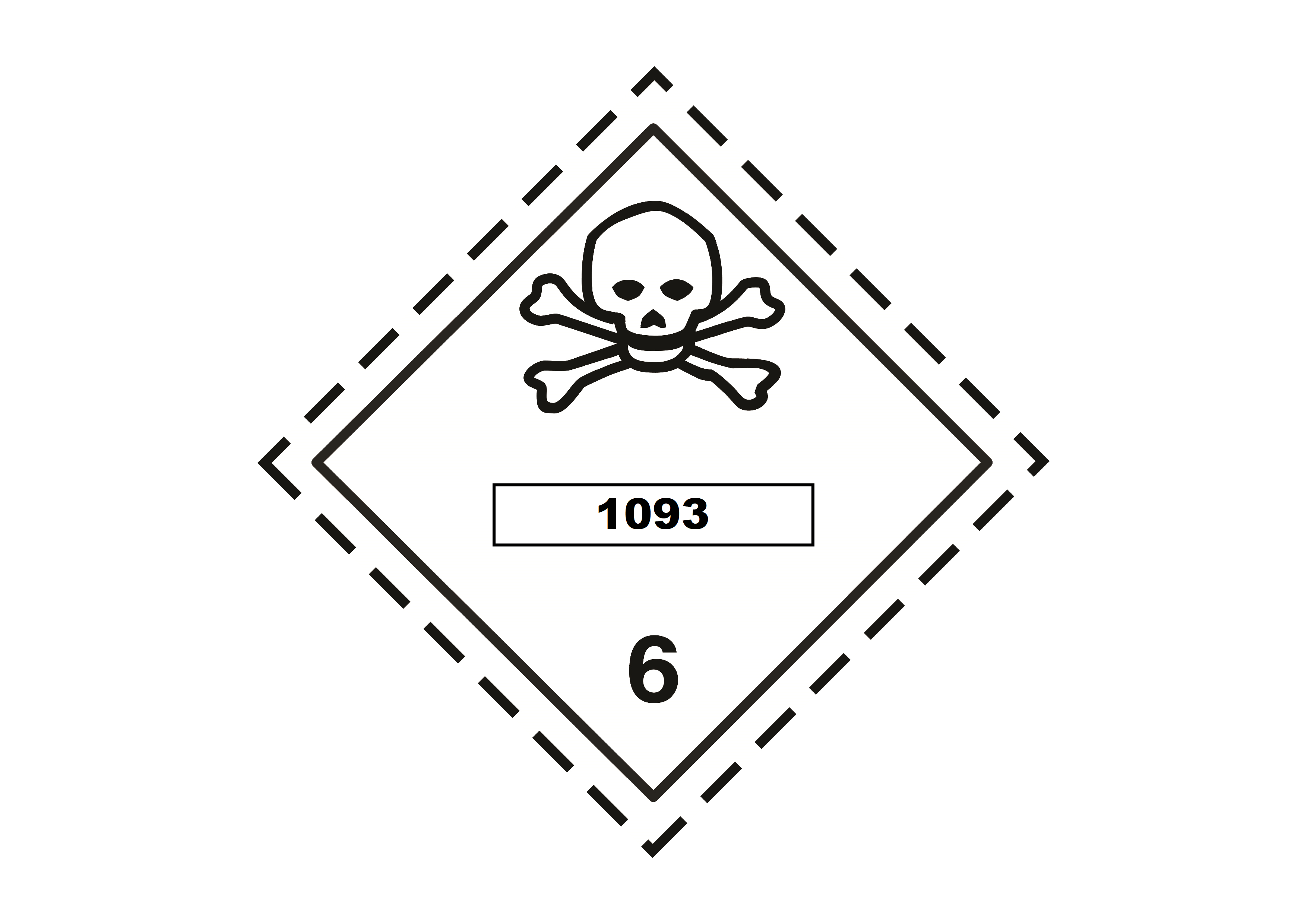
  • UN Number: UN 1093
  • Hazard Classes (UN): Class 3 (Flammable Liquid) & Class 6.1 (Toxic Substances)

Physical Properties :

  • Boiling Point : Approx. 77°C
  • Density : Approx. 0.806 g/cm³ at 20°C
  • Solubility : Easily soluble in ethanol and ether; slightly soluble in water

Chemical Properties :

  • Highly reactive due to a carbon-carbon double bond and a nitrile group
  • Can undergo polymerization (e.g., radical polymerization) to form polyacrylonitrile (PAN)
  • Can react with water, alcohols, and other compounds


The double and triple bonds between carbon and nitrogen make AN highly reactive, suitable for forming polymers or acting as a chemical intermediate. Here are its main uses :

(1) Monomer for Polymers

Thanks to its unsaturated chemical bonds, AN can polymerize to form polyacrylonitrile (PAN)—a precursor to carbon fiber. PAN is corrosion-resistant, heat-resistant, radiation-proof, lightweight, and strong. It’s used in:

  • Vehicle chassis
  • Aircraft composite materials
  • Wind turbine blades


AN can also copolymerize with compounds like butadiene, styrene, vinyl acetate, and methyl acrylate to produce:

  • ABS resin
  • SAN resin
  • Epoxy resins
  • Acrylic adhesives
  • Nitrile rubber
  • Acrylic fibers
  • Polyether polyols


Applications span plastics, textiles, chemicals, semiconductors, and polymer materials.

(2) Intermediate for Propylene Derivatives

With its highly active double bonds and nitrile group, AN reacts easily with other chemicals to form derivatives like:

  • Acrylamide
  • Acrylic acid
  • Ammonium acrylate
  • Methyl acrylate
  • Adiponitrile
  • Propionitrile
  • Propylamine

These derivatives are important in material production, catalysis, and organic synthesis.


(3) Polymer Flocculants

Acrylamide (AM) is a derivative of acrylonitrile (AN) that can undergo polymerization to produce polyacrylamide (PAM). PAM is widely used for its ability to:

  • Adsorb suspended particles in water, making it an effective agent for wastewater treatment
  • Induce secondary aggregation of small molecules, forming heavier macromolecules that settle impurities and clarify water
  • Interact with ions or other compounds, thanks to its long molecular chains and abundant amide groups that exhibit high reactivity and charge density


These properties allow PAM to be used not only in wastewater treatment, but also as:

  • A soil conditioner to improve soil structure and water retention
  • A gel-forming agent in various applications
  • A crosslinking agent and intermediate in the synthesis of other polymers


PAM plays a vital role in environmental engineering, agriculture, and chemical manufacturing, making it an indispensable material in modern industrial processes.


2.   Understanding the Hazards of AN

AN is flammable and reactive. When it reacts with incompatible substances, it can ignite, release heat, or splash. The reaction may emit toxic gases such as hydrogen cyanide (HCN), carbon monoxide (CO), and carbon dioxide (CO₂). AN is toxic to humans, with possible effects including :

  • Skin contact : Blisters, allergic dermatitis
  • Ingestion : Sore throat, breathing difficulty, vomiting, abdominal pain; can be fatal
  • Eye contact : Severe irritation, burns, corneal damage, potential blindness
  • Inhalation : Cyanide disrupts oxygen utilization in the body, causing hypoxia, headache, blurred vision, vomiting, tremors, diarrhea, lack of coordination, and liver dysfunction


3.   Proper Storage Guidelines for Acrylonitrile

(1) Store in Cool, Well-Ventilated Areas

  • AN should be stored away from direct sunlight, as it is photosensitive.
  • Use inhibitors to prevent spontaneous polymerization.
  • Keep away from oxidizers, peroxides, acids (sulfuric, hydrochloric, nitric), alkalis (sodium, potassium hydroxide), amines, nitriles, copper/aluminum metals and alloys, halogens (chlorine, bromine, iodine), and their compounds, as these can trigger explosive or exothermic reactions.


(2) Use Airtight Packaging

  • Without inhibitors, AN can polymerize upon exposure to air, increasing internal pressure and possibly causing the container to rupture.
  • Since it is toxic, sealed containers made of opaque material are recommended to prevent vapor leakage and light exposure.


(3) Label Containers with Hazard Signs

  • Containers must be labeled clearly to inform handlers of chemical characteristics and precautions.
  • Labels help first responders take appropriate action in case of emergency during transport.


Further Reading : What Are Dangerous Goods? A Quick Guide to Hazard Classification and Transport Regulations


(4) Provide Personal Protective Equipment (PPE)

  • Staff handling AN must wear gloves, protective clothing, and gas masks.
  • Operators should receive professional training.


(5) Avoid Spark-Generating Tools

  • AN can ignite or explode upon contact with open flame, high temperature, or static electricity.
  • Avoid using metal tools; opt for plastic tools in spark-free environments.


(6) Install Emergency Response Equipment

  • Emergency response facilities should be available in storage areas.
  • MSDS (Material Safety Data Sheets) must be easily accessible.


Further Reading : How to Understand the MSDS (Material Safety Data Sheet) and Key Details to Watch For


Published Date : January 6, 2025

What is Methacrylic Acid ( MAA )? Hazard Classification, Uses, Risks, and Storage Guidelines

What is Methacrylic Acid ( MAA )? Hazard Classification, Uses, Risks, and Storage Guidelines


Meta Description

As one of the commonly transported chemicals, understanding methacrylic acid (MAA) is essential for ensuring safe handling. This article explores its main uses, risks, and storage precautions to support secure transport and storage.


Introduction

Methacrylic acid (MAA) plays an active role in industries such as materials science, chemicals, textiles, and wastewater treatment. It’s an important industrial raw material—but also a corrosive acid that can pose risks to health and property if not handled or transported properly. This guide will help you understand its applications, dangers, and how to store it safely.


1.   What is Methacrylic Acid (MAA)? Hazard Classification & Main Applications

Methacrylic Acid (MAA), HS Code: 2916 1310 002, is a colorless, transparent organic compound in liquid form with the chemical formula C4​H6O2. It’s classified under UN No. 2531, Class 8 Corrosive Substances.

Physical Properties :

  • Melting Point: 15–16°C (pure substance)
  • Boiling Point: 161°C (standard pressure)
  • Density: 1.015 g/cm³ (at 20°C)
  • Solubility: Soluble in water, alcohols, ketones, esters, and other polar organic solvents
  • Vapor Pressure: 0.67 kPa (at 20°C)
  • Acidity (pKa): 4.66 (at 25°C) – classified as a weak acid

Chemical Properties :

  • Carboxylic Acid Functionality: Reacts with bases to form methacrylate salts
  • Double Bond Reactivity: Undergoes free radical polymerization to form PMA
  • Volatility: Decomposes at high temperatures and releases irritating vapors

MAA has a pungent odor, forms explosive mixtures with air, and is moderately toxic—irritating to skin and mucous membranes. While it’s not classified as carcinogenic, proper handling is critical. Primary Applications of MAA :

(1) Polymer Monomer

MAA is used to synthesize Polymethacrylic acid (PMAA) via polymerization. PMAA is widely applied as a softener and coating in textile and leather industries due to its excellent stability and processability.


(2) Chemical Derivatives

MAA can be used to produce a wide range of derivatives including:

  • Methyl Methacrylate (MMA)
  • Methacrylic anhydride
  • Methacryloyl chloride
  • Methacrylamide
  • Methacrolein
  • Adhesives, synthetic rubber, etc.

Its high reactivity and versatility make it a key player in industrial manufacturing.


Further Reading : What is Methyl Methacrylate ( MMA )? Hazard Classification, Uses, Risks, and Storage Guidelines


(3) Ion-Exchange Resins

MAA can be copolymerized with divinylbenzene to produce ion-exchange resins used in water purification, capable of adsorbing cations like Na⁺, K⁺, Mg²⁺, and Ca²⁺—essential in wastewater treatment.


2.   What Kind of Chemical is MAA? Understanding Its Hazards

When exposed to reactive substances, MAA may cause exothermic reactions and splashing, releasing harmful vapors and gases. It is moderately toxic and can cause irritation to the eyes, skin, and respiratory system. Immediate medical attention is required upon exposure.

Potential Hazards:

  • Skin contact : Causes irritation or burns
  • Ingestion : Leads to gastrointestinal discomfort, vomiting, dizziness, drowsiness
  • Eye contact : Causes burns


3.   How to Store MAA Properly: Key Safety Precautions

(1) Store in a Cool, Well-Ventilated Place

Keep MAA in a shaded, ventilated area. Maintain temperature above its melting point (16°C) but below 55°C (Self-Accelerating Polymerization Temperature, SAPT). Avoid direct sunlight. MAA can react violently with oxidizers, peroxides, nitrates, acids, alkalis, halogens, azides, metals, ketones, ethers, etc.—store separately to reduce risk.


(2) Seal Packaging

MAA is highly prone to polymerization when exposed to air—especially in the absence of polymerization inhibitors. This reaction can lead to a rapid buildup of pressure inside the container, significantly increasing the risk of explosion. Additionally, as a volatile liquid, MAA can easily evaporate and disperse into the air, posing serious health risks if inhaled. To ensure safe storage and handling, MAA should always be packaged with an appropriate stabilizer and sealed airtight to prevent both unwanted reactions and vapor leakage.


(3) Label as Hazardous Material

Label MAA containers clearly to inform handlers of its properties and emergency procedures. In case of an incident during transport, hazard labels help responders act quickly and correctly.


Further Reading : What are Dangerous Goods? A Quick Guide to Hazard Classification and Transport Regulations


(4) Wear Protective Gear

Operators must wear corrosion-resistant gloves, protective clothing, and gas masks. Proper training is essential due to the chemical’s corrosive nature.


(5) Avoid Spark-Producing Tools

MAA can explode upon contact with flames, heat, or static electricity. Use plastic tools instead of metal ones and ensure no fire sources are present in the environment.


(6) Install Emergency Equipment

Equip storage areas with emergency handling systems. Place MSDS (Material Safety Data Sheet) and emergency instructions in accessible, visible locations for quick response during accidents.


Further Reading : How to Understand the MSDS (Material Safety Data Sheet) and Key Details to Watch For


Published Date : January 3, 2025

error: Content is protected !!